Victorian Whimsical Animal Clipart: A Designer's Secret Weapon
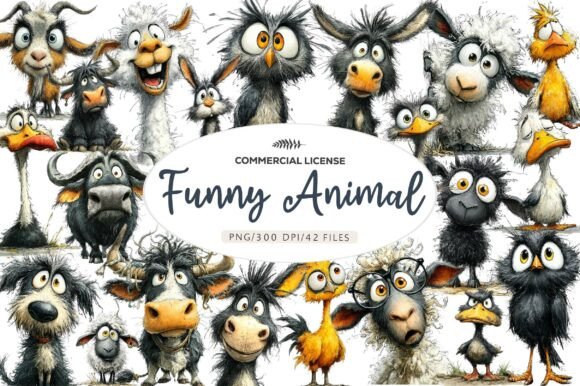
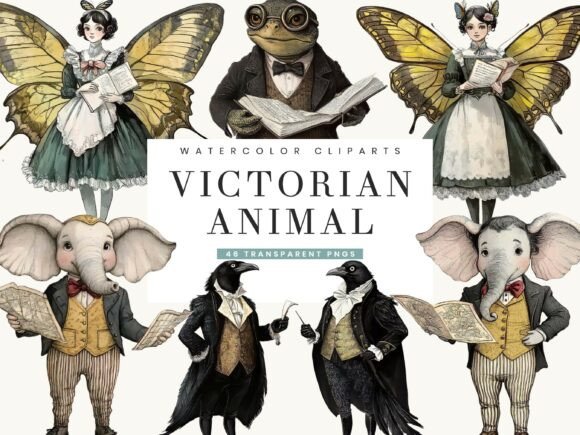
There's a particular magic in the collision of the formal and the fanciful. It's the feeling of a fox in a waistcoat, an owl in spectacles, or a squirrel clutching a tiny violin. This is the core appeal of Victorian Whimsical Animal Clipart, a design asset category that has charmed its way into countless projects. It’s not just about cute animals; it’s about personality, narrative, and a specific vintage aesthetic that feels both nostalgic and surprisingly fresh. As a designer or creative professional, understanding how to leverage this style can unlock new dimensions in your work, from branding to personal crafts.
Anatomy of the Whimsical Victorian Aesthetic
So, what defines this visual language? It’s a deliberate fusion of two distinct eras. The Victorian influence brings ornate detail, a sense of elegance, and a love for the natural world. Think of the intricate botanical illustrations, the rich color palettes, and the formal portraiture of the period. The whimsical element subverts that formality with anthropomorphism and playful narrative. Animals aren't just depicted; they're given human roles, attire, and expressions.
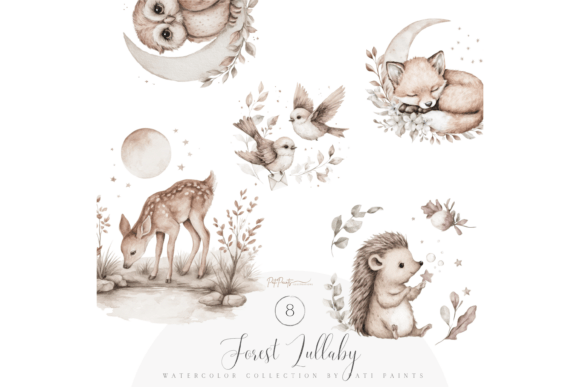
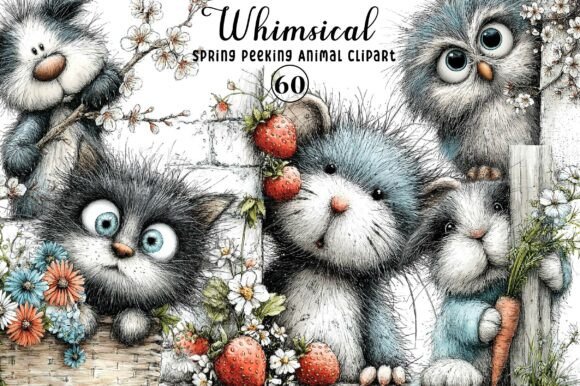
The visual characteristics are key. The artwork is often rendered in a watercolor style, which introduces a soft, organic texture that digital vectors can't replicate. This hand-painted quality is central to its charm, giving each piece a unique, artisanal feel. Colors tend to be muted yet rich—think deep burgundies, forest greens, and antique golds—avoiding the garish brightness of modern cartoon styles. The compositions are detailed, with careful attention to fabric folds on a tiny jacket or the feathering on a wing, creating a sense of depth and realism within the fantastical scenario.
The overall appeal is multifaceted. For a brand identity, it communicates creativity, attention to detail, and a touch of playful sophistication. For personal projects, it injects personality and a storybook quality that feels deeply personal. This isn't generic clipart; it's a creative font in visual form—a display style that demands attention and sets a specific tone.
From Junk Journals to Brand Markers: Real-World Applications
The true strength of a versatile design asset is its range. Victorian Whimsical Animal Clipart isn't confined to one niche. Its applications span the creative and commercial spectrum, each leveraging its unique personality.
- Editorial & Publishing Design: These illustrations are perfect for chapter headings, section dividers, or full-page spot art in books, magazines, and blogs. A fox scholar can introduce a historical article, while a dapper badger can grace the cover of a children's storybook. They add visual interest and break up text-heavy layouts without feeling disjointed.
- Branding & Marketing: For businesses in artisanal goods, boutique bakeries, literary cafes, or vintage-inspired fashion, this clipart style can become a cornerstone of the brand identity. Use a central character as a mascot on packaging, business cards, and social media graphics. It creates an instant, memorable visual shorthand for the brand's personality.
- Digital & Print Products: This is where the clipart shines for entrepreneurs. Create sticker sheets, printable wall art, greeting card designs, or planner accessories. The transparent PNG format allows for easy layering onto different backgrounds, making the design process efficient.
- Personal Crafting & Decor: The junk journal and scrapbooking communities are natural homes for this aesthetic. The images serve as focal points, decorative elements, or inspiration for entire page themes. They also translate beautifully to nursery decor, offering a sophisticated yet playful alternative to standard cartoon animals.
When integrating these assets, think like a brand strategist. Consistency is key. If you're using a bespectacled owl as your guide, use that same character across your materials to build recognition. The clipart's style should complement, not clash with, your other design elements like your chosen typeface and color scheme.
Practical Guidance for Selecting and Using Your Clipart
Not all whimsical clipart is created equal. As you evaluate a bundle or collection, consider these practical aspects to ensure it meets professional standards and fits your project's needs.
Quality and File Specifications: Look for high-resolution files. A minimum of 300 DPI is non-negotiable for print projects to avoid pixelation. Transparent backgrounds (PNG files) are essential for seamless integration into your designs. The quality of the watercolor rendering matters—examine the detail and color blending in the previews.
Evaluating Project Fit: Ask yourself: Does this style match the tone of my project? A whimsical Victorian animal might be perfect for a cozy mystery novel's branding but could feel out of place on a cutting-edge tech startup's website. Consider your audience. The style generally resonates with adults who appreciate craft, story, and vintage aesthetics, which aligns perfectly with the 20-50 demographic of designers, crafters, and small business owners.
Testing and Pairing: This is crucial. How does the clipart interact with your other design assets?
- Font Pairing: The ornate detail of the clipart calls for careful type pairing. A serif font with some classic flair often works well for headings, complementing the vintage feel. For body text, a clean sans serif font provides excellent readability and contrast. Avoid overly decorative script fonts that might compete with the artwork's detail. Think hierarchy: the clipart is often the star, with type playing a supporting role.
- Color Palette: Draw inspiration from the clipart's own colors to build a cohesive palette for your layout. This creates visual harmony and makes the design feel intentional.
- Layout and Spacing: Give the illustrations room to breathe. Overcrowding a design with multiple detailed characters can create visual clutter. Use one as a focal point and support it with simpler elements.
Licensing for Commercial Use: If you plan to sell products featuring the clipart (like mugs, shirts, or printed planners), you must verify the commercial licensing terms. A reputable source will clearly state what is permitted. This is a critical step to protect your business and respect the original artist's work.
In essence, Victorian Whimsical Animal Clipart is more than a decorative element. It's a premium font of visual storytelling. Used thoughtfully, it can elevate a project from mundane to memorable, adding a layer of charm, professionalism, and narrative depth that resonates with a wide and appreciative audience. It’s a testament to how well-chosen modern typography and design assets can create a powerful and engaging visual experience.