Woodland Animal Watercolor Clipart: A Designer’s Charming Toolkit
There’s a certain magic in the delicate strokes of watercolor and the quiet charm of forest creatures. Woodland Animal Watercolor Clipart brings this magic directly into your creative toolkit, offering a versatile set of assets that feel both personal and professionally polished. This collection isn’t just a random assortment of images; it’s a curated mood, a whisper of nature that can instantly elevate a project from ordinary to enchanting. For designers, marketers, and creators, understanding how to wield such design assets effectively is key to unlocking their full potential.
Understanding the Aesthetic and Technical Specs
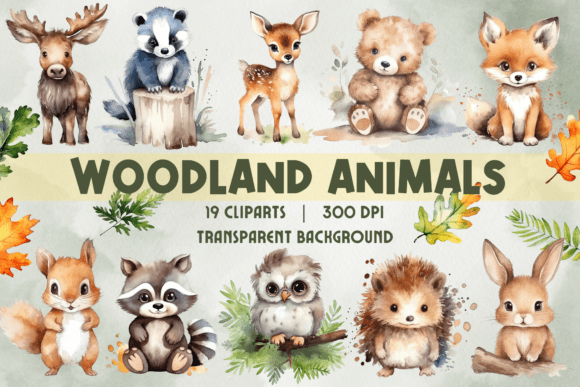
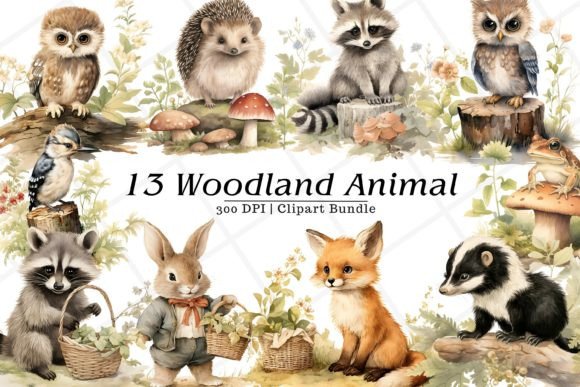
At its core, this clipart set captures the gentle, organic feel of traditional watercolor painting translated into a digital format. The visual characteristics are soft, with visible texture in the washes and a slightly imperfect, hand-painted quality that feels authentic. The personalities of the animals—perhaps a curious fox, a wise owl, or a gentle deer—are rendered with a warmth that avoids being overly cartoonish. This style sits in a sweet spot between whimsical and sophisticated, making it suitable for both children’s projects and adult-focused branding.
Technically, the package is built for modern workflows. The 13 PNG files come with transparent backgrounds and a generous 3000×3000 pixel size at 300 DPI. This means you have substantial, high-resolution imagery to work with. You can scale these elements down for a delicate accent on a business card or blow them up for a poster without losing critical detail. The compatibility with major software like Adobe Photoshop, Adobe Illustrator, Inkscape, and Cricut Design Space ensures that whether you’re a professional graphic designer or a passionate crafter, these files will integrate smoothly into your existing process.
Practical Applications: From Brand Identity to Personal Crafts
The true value of a resource like Woodland Animal Watercolor Clipart lies in its application. Think of it as a flexible creative font for imagery. Just as a script font conveys elegance, these illustrations convey approachability, nature, and care.
For brand identity, particularly for businesses in the eco-friendly, children’s, wellness, or artisanal spaces, these clipart elements can become foundational. They work beautifully in logo design as a supporting icon, on packaging to tell a brand story, or throughout a website’s web design to create a cohesive, inviting atmosphere. Imagine a handmade soap company using a subtle badger illustration on their labels or a children’s book author featuring a recurring squirrel character in their social media graphics. The consistency of the watercolor style across all touchpoints builds a recognizable and professional brand perception.
Beyond branding, the applications are vast. In editorial design, these images can break up text-heavy pages in magazines or blogs, adding visual interest and a thematic anchor. For packaging design, a single, well-placed animal can make a product stand out on a crowded shelf. Marketers can use them in email campaigns and digital ads to add a layer of charm that boosts engagement. For personal projects—think custom wedding invitations, nursery wall art, or personalized stationery—the clipart adds a layer of handmade sentimentality that’s hard to achieve with stock photography.
Integrating Clipart into Your Design Workflow
Using these assets effectively requires a bit of strategic thinking, much like choosing the right typeface. First, consider the project’s tone. Is it playful, serene, or rustic? Select the animal and composition that best aligns with that mood. A majestic elk might suit a premium outdoor brand, while a pair of rabbits could be perfect for a children’s boutique.
Next, think about composition and hierarchy. These are display-style assets, meaning they are meant to be seen. Use them as focal points or supporting accents, not as subtle background noise. Pay attention to the negative space around the transparent PNGs; how you frame the animal with text or other design elements will impact the overall balance. A common pitfall is overcrowding a design. Let the clipart breathe.
Font pairing is another critical consideration. The organic, handcrafted feel of watercolor pairs well with certain typography styles. A clean sans serif font can provide a modern, readable counterpoint, while a elegant serif font might enhance a more traditional, storybook feel. A handwritten font could amplify the personal touch, but use it sparingly to avoid a cluttered look. Always test your combinations. Does the text remain clear and readable alongside the image? Does the overall layout guide the viewer’s eye smoothly?
Finally, remember you are downloading a digital download. There is no physical product, so verify the file formats work with your tools before starting a project. The licensing is typically for commercial use, but it’s always your responsibility to review the terms to ensure your specific application—whether for a client, a product for sale, or a personal blog—is covered. This due diligence is part of professional practice and protects your work.
Bringing It All Together
Woodland Animal Watercolor Clipart is more than just pretty pictures. It’s a premium set of design assets that, when used thoughtfully, can communicate brand values, create emotional connections, and add a distinct layer of artistry to countless projects. Its strength lies in its versatility and the timeless appeal of its subject matter. By considering the technical specs, aligning the style with your project’s goals, and integrating it carefully with your typography and layout, you transform simple clipart into a powerful component of your creative expression. Whether you’re building a brand identity from scratch or adding a seasonal touch to a marketing campaign, these woodland creatures offer a ready-made solution that feels both personal and polished.